Solar System Maintenance Checklist for Nigerian Weather
A practical solar maintenance checklist for Nigerian weather: what to check daily, monthly and each season, how to clean panels safely and when to call a technician.
Most people usually think of a solar system as something you just set up at home or the office and forget. With factors like rain, heat and storms all working on your panels, inverter and batteries every day, and in Nigeria, the weather changes enough through the year to make regular checks important.
Even if you buy a genuine solar product, you'll still need to run maintenance. The good news is that solar maintenance is simple and cheap compared with running a generator. Most of it is looking, cleaning and paying attention to what your inverter display tells you.
If you run a solar system in Nigeria, you'll surely find this guide very helpful. It explains how Nigerian weather affects your solar system, gives you a practical maintenance checklist, shows what to do in each season and tells you when to call a professional.
Why Solar System Maintenance Matters
The importance of solar maintenance can't be ignored, and when you maintain your solar, there are benefits to it. Some of the benefits include more power, longer backup hours and longer-lasting performance. Dirty panels, loose connections and overheating inverters all reduce output quietly, so you may not notice until your batteries start running out earlier than usual.
Solar is more of an investment, and with proper maintenance, you're protecting your investment without you even knowing. Catching a small problem early, such as a loose cable or a cracked panel, costs far less than replacing a damaged inverter or battery.
How Nigerian Weather Affects Solar Systems
The Nigerian climate might look normal, but in some regions, it can be different, and solar systems sometimes bear the effects. These are the four weather conditions that matter most.
1. Harmattan Dust
From around November to February, dry harmattan winds carry fine dust that settles on solar panels. The haze also blocks some sunlight. Together, they can noticeably reduce how much power your panels produce, so panels need cleaning more often during this season.
2. Heavy Rainfall
Lagos and much of southern Nigeria receive heavy rain for several months each year. Rain washes light dust off panels, but it can also find its way into poorly sealed junction boxes, cable entries and roof penetrations, causing corrosion, leaks and electrical faults.
3. Heat and Humidity
Solar panels lose some efficiency as they get hotter, and inverters and batteries work harder in high temperatures. Humid air adds moisture that can corrode terminals over time. Good ventilation and shaded equipment rooms help your system cope with both.
4. Lightning and Storms
Thunderstorms are common during the rainy season. A nearby lightning strike can send a surge through your wiring and damage the inverter or charge controller. Strong winds can also loosen panel mounts. Proper earthing and surge protection are your main defence.
Solar System Maintenance Checklist
To keep an eye on your solar system, the following checklist is very important and should be used. They take only a few minutes to complete without the use of any tools.
1. Check Panel Cleanliness
Look at your panels from a safe spot every few weeks. A visible layer of dust, bird droppings or leaves means they need cleaning. Even partial dirt on one panel can reduce the output of the whole string it is connected to.
2. Look for Shading
If your solar panels are set somewhere close to trees, water tanks, or tall buildings. Check whether they're not casting shadows on your panels during the day. Shadows reduce output; therefore, you might need to reposition your panels.
3. Monitor Energy Output
Check your inverter display or monitoring app regularly and get used to your normal daily solar production. If output drops noticeably on sunny days, something is wrong. Dirty panels, shading, a loose connection or a faulty panel are the usual causes.
4. Inspect for Visible Damage
Look for cracked glass, burn marks, bent frames, loose mounting rails and damaged or chewed cables. Rats and other rodents sometimes attack exposed wiring. Do not touch damaged panels or cables yourself. Switch off the system if it is safe to do so and call a technician.
5. Check Inverter Ventilation
Inverters need free airflow to stay cool. Make sure nothing is stacked around or on top of the unit, the vents are free of dust and cobwebs, and the room does not trap heat.
6. Monitor Battery Performance
Notice how long your batteries last through the night and how quickly they charge during the day. If backup time keeps getting shorter, or the battery shows warnings on the inverter display, have it checked.
7. Keep Battery Areas Dry
Batteries should sit in a dry, shaded, well-ventilated space, off the bare floor and away from water pipes and windows that let rain in. Moisture corrodes terminals and can cause short circuits, so fix any dampness in the battery area quickly.
8. Look for Water Leaks
After heavy rain, check the ceiling and walls under your panels for stains or drips, and look at where cables enter the building. Leaks usually come from roof penetrations or mounting points that were not sealed properly and should be resealed before they get worse.
Seasonal Solar Maintenance You Should Perform
Solar maintenance changes with season, and so should your routine. Here is what to focus on at each time of the year.
1. During Harmattan
Clean your panels more often, as dust builds up quickly and rain will not wash it away. Expect lower output on hazy days and plan heavy loads for clear afternoons. Also check that inverter vents and battery areas are not clogged with dust.
2. Before Rainy Season
Have your mounts, roof seals and cable entries checked before the rains start. Make sure junction boxes are closed, cables are clipped and protected, and earthing and surge protection are in good condition. Fixing these early prevents leaks and storm damage.
3. During Rainy Season
Expect lower solar production on cloudy days, so use power carefully and rely more on your batteries and grid. Check for leaks after heavy storms, keep battery areas dry and watch for any error codes on the inverter after lightning.
4. During Hot Weather
Keep your inverter and batteries in a cool, shaded room with good airflow. Avoid enclosing them in tight cabinets. Check that cooling fans are working, and vents are clear, since high temperatures reduce efficiency and shorten the life of electronic components.
Important Solar Maintenance Schedule
Following a simple schedule makes maintenance a habit rather than something you remember only when there is a problem.
1. Daily Monitoring
Take a quick look at your inverter display or app each day. Note the battery level, solar production and any warning lights or error codes. This takes less than a minute and helps you spot problems as soon as they start.
2. Monthly Visual Checks
Once a month, look over your panels, cables, inverter and battery area. Check for dust, shading, damage, loose cables, blocked vents and moisture. Clean the panels if they are visibly dirty, and write down anything unusual so you can report it.
3. Seasonal Maintenance
At the start of harmattan and again before the rainy season, carry out the seasonal tasks in this guide. These are the times when weather puts the most stress on your system, so a little extra attention prevents bigger problems later.
4. Professional Servicing
Have a qualified technician service your system at least once a year, or every six months for larger or commercial systems. A professional checks the electrical connections, mounts, battery health, earthing and settings that you cannot safely inspect yourself.
How to Clean Solar Panels Safely
If you can access your solar panels yourself and will like to clean them yourself. Here are some of the basic steps you can follow.
Step 1: Choose the Right Time
Clean your panels early in the morning or late in the evening, when the glass is cool.
Step 2: Check Safe Access
Check whether you can reach the panels safely from the ground using a long-handled cleaning tool. Avoid climbing onto a steep or wet roof, and never walk or kneel on solar panels.
Step 3: Prepare Your Cleaning Tools
Use clean water and a soft brush or sponge on a long handle. Avoid detergents, abrasive pads, metal scrapers and high-pressure washers, which can scratch the glass or damage the seals.
Step 4: Clean Gently
Gently loosen dirt with water, then wipe the surface with your soft brush or sponge. Rinse with clean water to remove any remaining dirt.
Step 5: Get Professional Help if Needed
If you cannot reach your panels safely from the ground, ask a technician to clean them. Our maintenance and repair service includes safe panel cleaning.
Caring for Felicity Solar Products
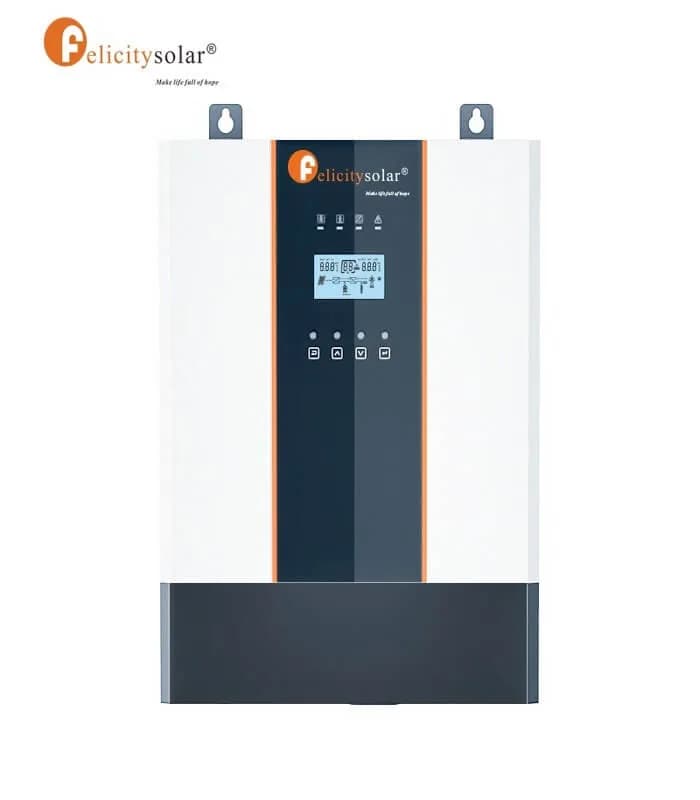
Felicity Solar inverters show their status and error codes on the display, so check it regularly and note any codes before calling for support. Keep the inverter in a cool, ventilated space, and leave the charge settings as configured for your batteries unless a technician advises a change.
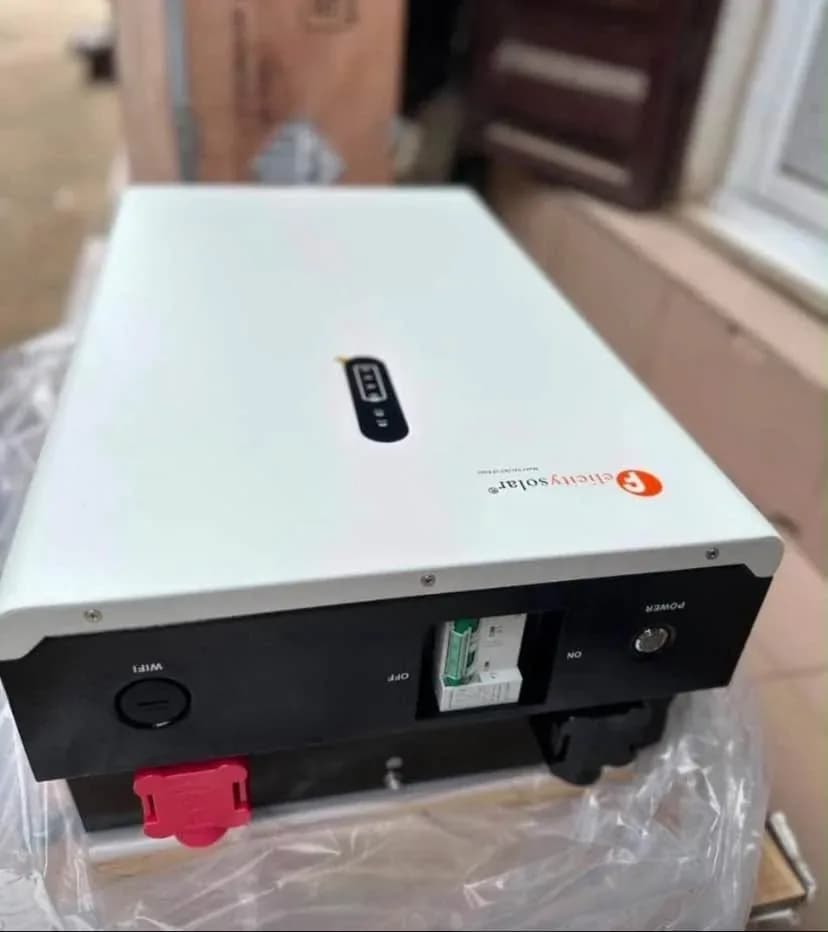
Felicity lithium batteries, such as the Felicity 10.24kWh battery, need no topping up, but they still need a dry, shaded space and correct inverter settings. As the official Felicity Solar distributor in Lagos, we service Felicity systems and handle warranty claims, so contact us if you need help.
Frequently Asked Questions
Here are answers to common questions about maintaining a solar system in Nigeria.
How often should I clean my solar panels in Nigeria?
Clean your solar panels at least every two to four weeks during harmattan and about once a month for the rest of the year.
Does rain clean solar panels properly?
Rain washes away light dust, but it often leaves streaks and doesn't remove most dirt like bird droppings, sticky dirt, or the heavy dust that builds up during harmattan.
How do I maintain solar panels during Harmattan?
Clean your panels more often with clean water and a soft brush, check your daily solar output and keep inverter vents and battery areas free of dust.
Do lithium solar batteries need maintenance?
The maintenance needed for lithium batteries includes keeping them in a dry, shaded, ventilated space, making sure the inverter charge settings are correct, checking for warnings, and having a technician assess their health during annual servicing.
Can I clean solar panels myself?
Yes, if you can reach them safely from the ground or a secure ladder.
When should I call a solar technician?
Call a technician for annual servicing, after a lightning storm, or when you notice falling output, shorter backup time, repeated error codes, damage, leaks or burning smells.
Conclusion
With the checklists provided above, you should be able to maintain your solar system properly against the Nigerian weather. While it does come down to habit, you can start by keeping the panels clean, watching your inverter display, keeping equipment cool and dry, adjusting to your routine for harmattan and the rainy season, and having a professional service the system every year.