Solar Power for Small Businesses in Lagos: Shops, Salons, POS and Offices
How shops, salons, POS businesses and offices in Lagos can run on solar: what it powers, system sizes, costs, solar vs generators and how to choose an installer.
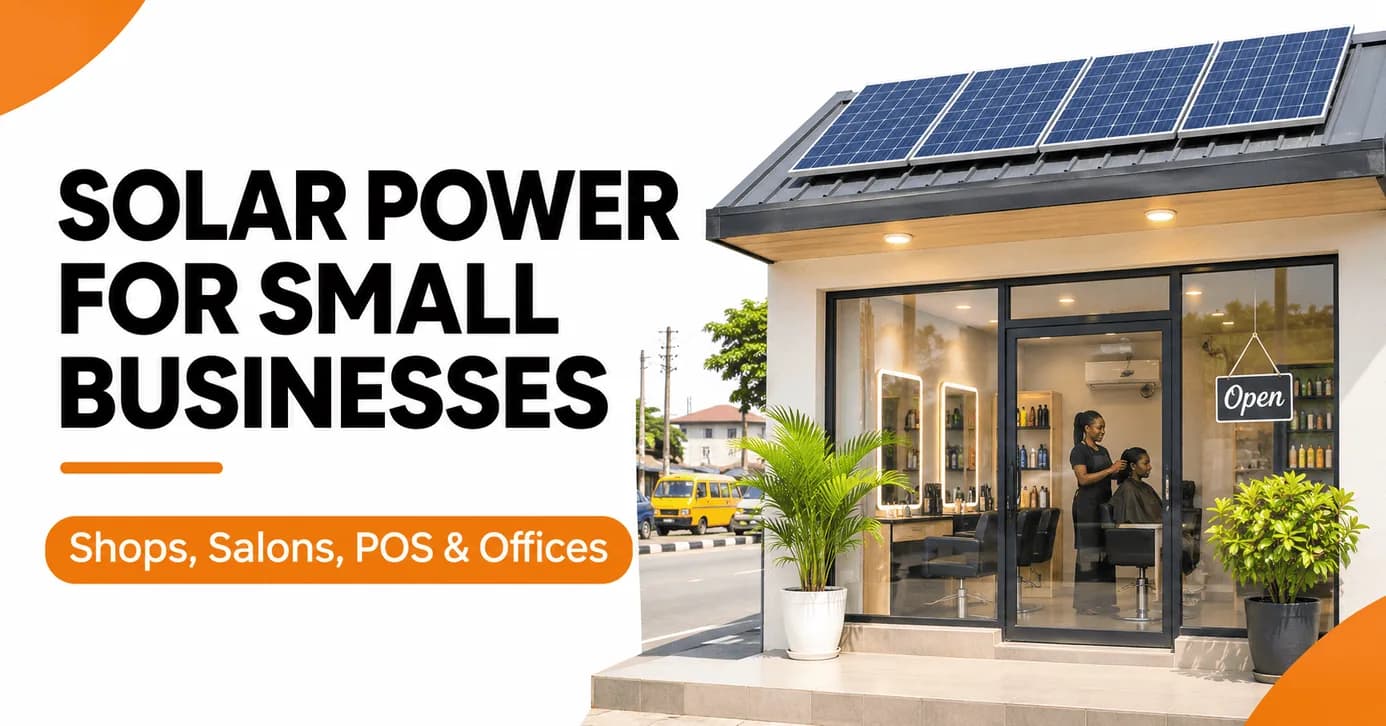
One of the headaches of running a small business in Lagos is having to deal with the electricity supply. When the light goes off, your shop stops selling, and your salon stops working. Every hour without power costs you money.
While a petrol generator is coming to the rescue, fuel prices, daily running costs, repairs, noise and fumes are not a joke. Sometimes, they make it difficult to even depend on that same generator. Well, that's where solar comes in, and it gives you a quieter, cleaner and more predictable alternative that keeps your business open through outages.
If you run a small business and you're thinking of buying budget-friendly solar. This guide explains what a small solar setup can do for you if you own a shop, salon, POS business or office. It further explains how to size a system, what affects the cost and how to choose the right setup. It also covers how to buy genuine solar products and keep your system running well in Lagos weather.
Why Small Businesses in Lagos Need Solar Power
Unstable grid supply is one of the biggest problems small businesses in Lagos face. With a solar setup, your essential equipment will keep running during power outages, and you won't even need to spend heavily on fuel and generator repairs.
What Can Solar Power Run in a Shop, Salon, POS Business or Office?
A properly sized solar system can run most of the equipment small businesses use every day. Here is what each type of business typically needs.
1. Shops and Retail Stores
Shops usually need lighting, ceiling or standing fans, a fridge or chest freezer for drinks, a TV or sound system, phone charging and sometimes CCTV. These loads are moderate; a well-sized solar system can keep a shop running from opening to closing time.
2. Hair and Beauty Salons
Salons run lighting, fans, clippers, flat irons, hood dryers and hand dryers. Clippers use very little power, but hair dryers can draw between 1,000W and 2,000W each, so the system must be sized for how many dryers run at the same time.
3. POS Businesses
POS operators need power for POS terminals, phones, a Wi-Fi router, a fan and a light. Tlow-powerall low power devices, which makes POS businesses one of the easiest and cheapest to run fully on solar, even from a portable solar generator.
4. Small Offices
Offices typically run laptops or desktop computers, printers, a router, lighting, fans and sometimes air conditioners. Computers and routers are easy to power, but laser printers and air conditioners draw much more, so they have the biggest effect on system size.
How to Calculate Your Business’s Power Needs Before Buying Solar
Start by listing every appliance you want solar to run. Next to each one, write its wattage, found on the label or manual, and how many hours it runs each day. Multiply watts by hours to get daily energy for each item, then add them together. Also note the appliances that run at the same time, because that total decides your inverter size.
For example, a small shop running ten 10W bulbs for 10 hours, two 70W fans for 8 hours and a 200W freezer for 12 hours uses about 4.5kWh a day, with about 440W running at once. Freezers and pumps also draw a short starting surge. If this feels technical, our solar system design service does the calculation for you.
What Size Solar System Does Your Small Business Need?
System size depends on your load and backup hours, but these are the typical starting points for each type of business.
1. Solar for Shops
Most small shops with lighting, fans, a freezer and a TV do well with a 3kVA to 5kVA hybrid inverter, a 48V lithium battery and a few solar panels. Shops with several freezers or a cold room need a larger system.
2. Solar for Salons
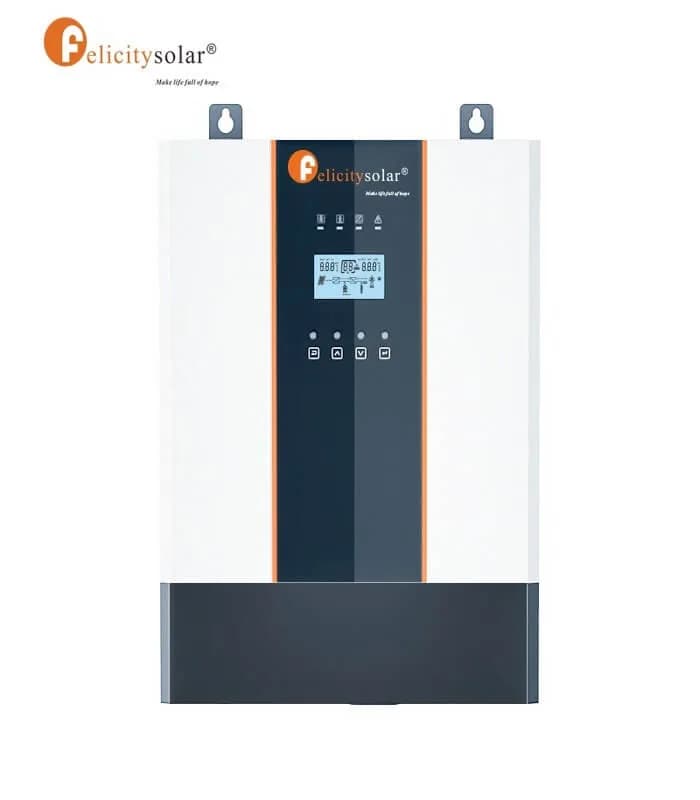
A salon running one or two dryers at a time usually needs at least a 5kVA inverter such as the Felicity 5kVA hybrid inverter. Busy salons with several dryers working together may need 6kVA to 10kVA, with enough battery capacity for evening customers.
3. Solar for POS
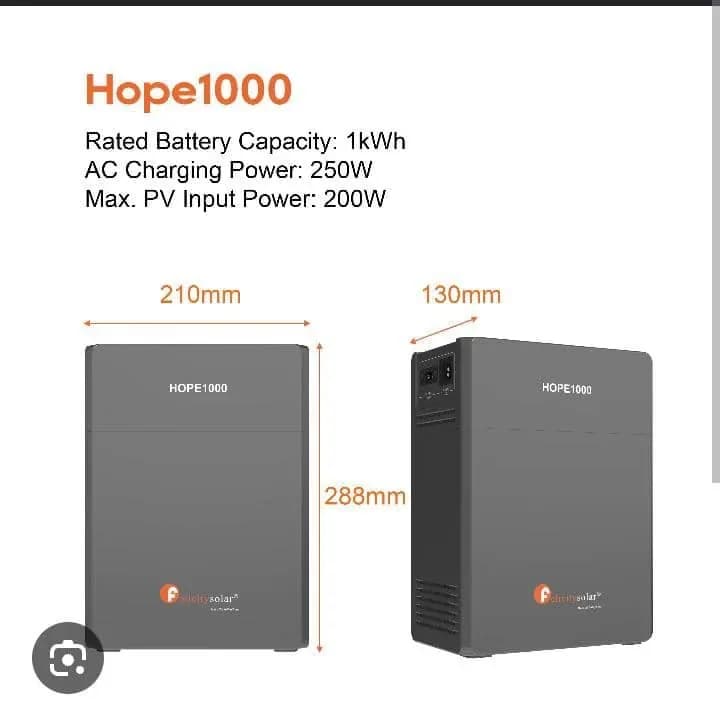
A POS stand with terminals, phones, a router, a fan and a light can often run on a portable unit like the Felicity 1kWh solar generator. Larger POS shops with a freezer, TV or more lighting need a small inverter system.
4. Solar for Offices
Small offices with computers, a printer, lighting and fans often use a 5kVA system. Offices running air conditioners usually need a 10kVA system or larger, such as the Felicity 10kVA hybrid inverter, with extra batteries and panels.
Essential Components of a Solar System for Your Business
Every business solar system is built from the same four parts. Each one must be genuine and matched correctly to the others.
1. Solar Panels
Solar panels turn sunlight into electricity to power your equipment and charge your batteries during the day. High output panels such as the Jinko 650W solar panel produce more power per panel, which helps when roof space is limited.
2. Solar Inverter
The inverter converts stored and solar power into the AC electricity your appliances use. A hybrid inverter also charges batteries from solar, grid or generator and switches between them automatically, so your business keeps running when the grid goes off.
3. Battery Storage
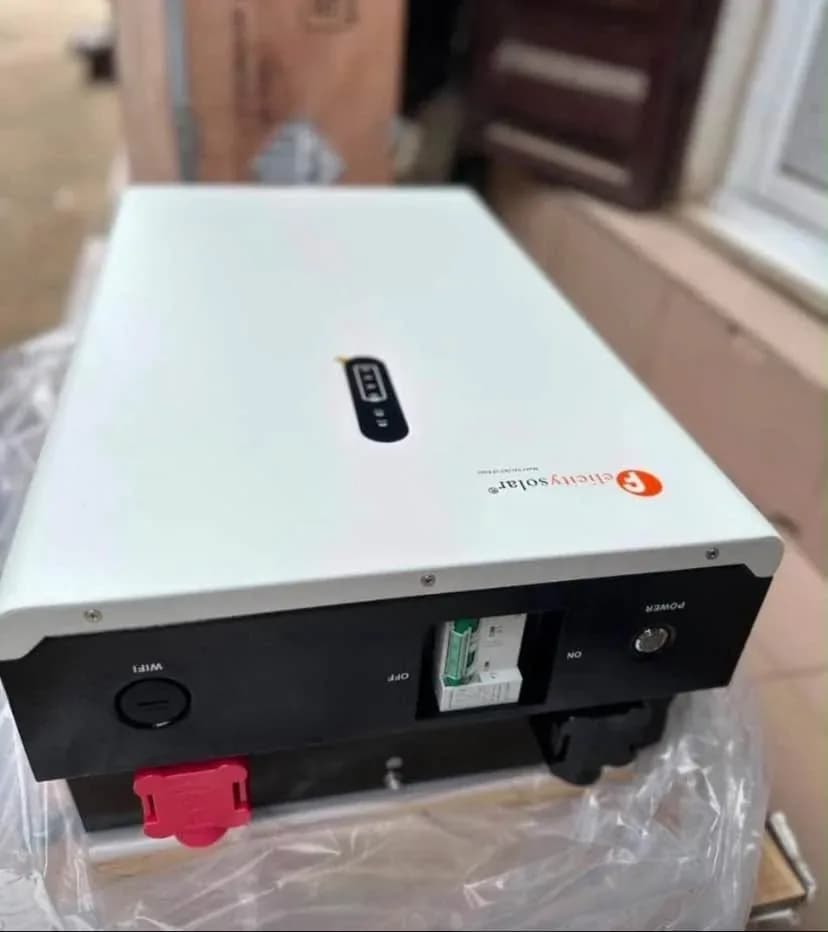
Batteries store solar energy for use in the evening, at night and on cloudy days. Lithium batteries such as the Felicity 10.24kWh battery last longer, charge faster and need no topping up compared with tubular batteries.
4. Installation and Protection
Correctly rated cables, breakers, surge protection, and proper earthing protect your system and equipment from faults, overloads and lightning. Good installation also keeps panels secure on the roof and protects your manufacturer warranty from being voided.
How Much Does Solar Installation Cost for Small Businesses in Lagos?
The cost of solar for a small business depends on the size of the system. A portable solar generator for a POS stand costs far less than a 5kVA system for a shop or salon, and a 10kVA system with air conditioning support costs more again. Solar prices in Nigeria also change with exchange rates, so any figure goes out of date quickly.
The most reliable way to know your cost is to get a written quote based on your actual appliance list. A good quote lists each product with its model number, the installation cost and the warranty. Send us your list, and we will recommend the right size and give you a current price.
What Affects the Cost of a Solar System for Your Business?
Two businesses of the same size can pay very different amounts for solar. These are the factors that make the biggest difference.
1. Appliance Power Requirements
High-power equipment such as hair dryers, laser printers, air conditioners and pumps needs a larger inverter, more batteries and more panels. Reducing the number of heavy appliances running at once is one of the easiest ways to lower your system cost.
2. Required Backup Hours
The longer you need power without sunlight or grid supply, the more battery capacity you need. A shop that closes at 7 pm needs far less storage than a business that runs late into the night or opens before sunrise.
3. Battery Capacity
Batteries are often the most expensive part of a solar system. Lithium batteries cost more upfront than tubular batteries, but they last many years longer and deliver more usable energy, which usually makes them cheaper over the life of the system.
4. Roof and Installation Conditions
The type and condition of your roof, how far the panels are from the inverter, and the mounting structure needed all affect cost. Ground mounts, long cable runs or roofs that need reinforcing add to the installation price.
Solar Power vs Generators: Which Is More Cost-Effective for Your Business?
A generator costs less to buy, but you pay for it every day in fuel, oil changes, repairs and replacement parts. Prices at the pump change often, which makes your monthly energy cost hard to plan. Generators are also noisy and produce fumes that customers and staff have to put up with.
Solar costs more upfront, but its running cost is very low because sunlight is free and lithium batteries need no maintenance. Over a few years, most businesses spend less on solar than on fuel and generator repairs. Many businesses keep a small generator only as emergency backup for long cloudy spells.
How to Choose the Right Solar System for Your Lagos Business
Choosing the right system protects your money and keeps your business running. Use these five steps to guide your decision.
1. Prioritise Essential Appliances
Decide which equipment must run during outages and which can wait for grid supply. Putting only essential loads on solar, such as lights, fans, freezers, POS and computers, keeps the system smaller and more affordable without disrupting your business.
2. Check Available Roof Space
Measure the roof area that gets direct sunlight for most of the day, free from shade. Limited space may mean choosing higher wattage panels. If your shop has no suitable roof, ask about ground mounts or a nearby location.
3. Plan for Business Growth
If you plan to add a freezer, another dryer or more staff, choose an inverter with room to grow. Many hybrid inverters and lithium batteries can be expanded later, which costs less than replacing the whole system.
4. Confirm Warranty Coverage
Ask how long each component is covered, what the warranty includes and who handles claims in Nigeria. Make sure the warranty is written down and that your invoice lists each product's model and serial number.
5. Choose a Qualified Installer
A qualified installer sizes your system correctly, uses proper cables and protection, configures the inverter and battery settings and tests everything before handover. Our solar installation service covers the full process, from assessment to commissioning.
How to Maintain Your Business Solar System in Lagos Weather
Lagos weather brings dust during harmattan, heavy rain in the wet season and high heat for much of the year. Keep your panels clean, check your inverter display daily and make sure the inverter and batteries sit in a cool, dry and well-ventilated space away from customer traffic.
Have a technician service your system at least once a year, and check for leaks and storm damage during the rainy season. Our solar system maintenance checklist explains what to do in each season.
Frequently Asked Questions About Solar Power for Small Businesses
Here are answers to common questions small business owners in Lagos ask about solar power.
Can solar power run salon hairdryers and clippers?
Yes. Clippers use very little power, but hair dryers draw 1,000W to 2,000W each, so the inverter and batteries must be sized for the number of dryers running at once.
What size solar system can power a POS business?
A basic POS stand can often run on a 1kWh portable solar generator. Larger POS shops with a freezer, TV or more lighting usually need a small inverter system.
Can I install solar panels in a rented shop?
Yes, with your landlord's permission. You can also choose a portable solar generator or a system with removable mounts, so you can take it with you if you move.
Can solar power run office computers, printers and air conditioners?
Yes. Computers and inkjet printers are easy to power. Laser printers and air conditioners draw much more, so offices with them usually need a 10kVA system or larger.
How long can a solar battery power my business?
It depends on your battery capacity and how much power your equipment uses. A correctly sized lithium battery can keep essential loads running through the evening and night.
Can I use solar alongside grid electricity and a generator?
Yes. A hybrid inverter works with solar, grid electricity and a generator, switching between them automatically, so your business stays powered whichever source is available.
Conclusion
Solar power helps small businesses in Lagos stay open through power cuts, cut fuel costs and work in a quieter, cleaner space. Whether you run a shop, salon, POS business or office, the key is to size the system for your real equipment, buy genuine products and use a qualified installer. Talk to our team to get the right solar system for your business.